Spotify

 Apple Podcasts

 Amazon Music

 Overcast

 Castro

 PocketCasts

 Castbox

 RadioPublic

 RSS Feed
215: I Left My Wallet | Jesse Phillips and TrustWare
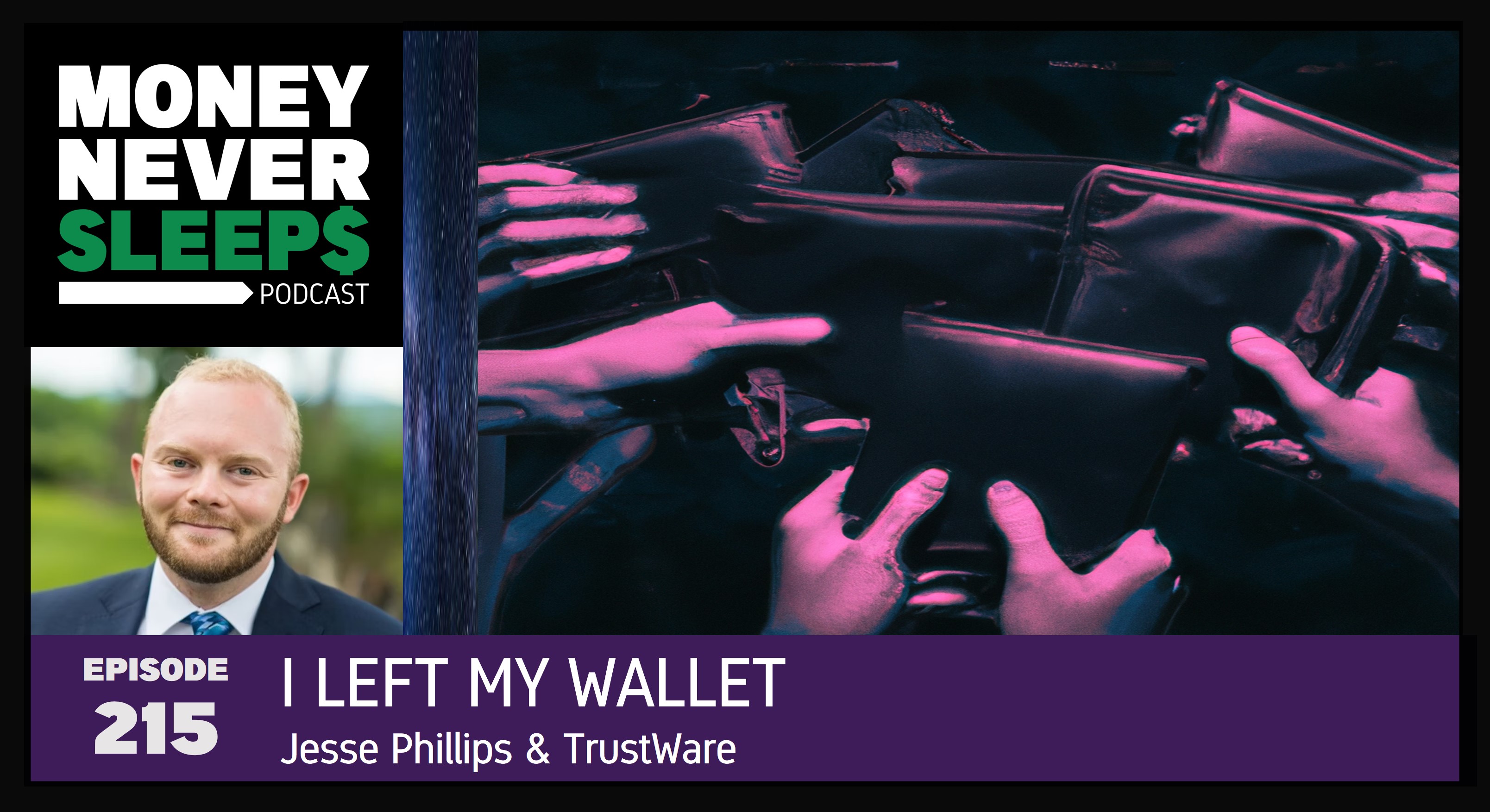
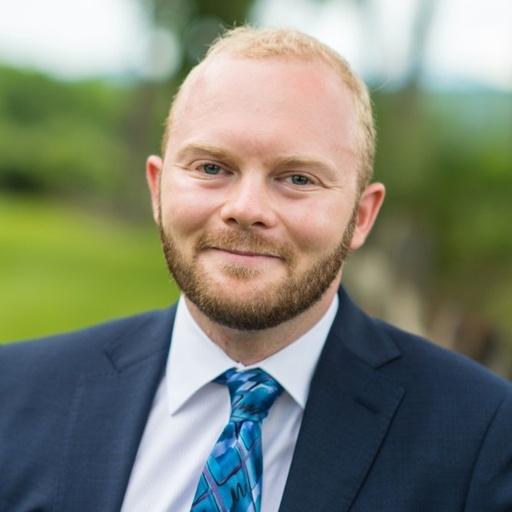
Jesse Phillips is the co-founder and CEO of TrustWare, one of the 12 founding teams forming the Techstars Web3 accelerator. Jesse and Pete Townsend dig into how Jesse got into crypto, the TrustWare vision he formed with co-founder Jonathan Frazier, adjusting to some of the crypto curveballs the world is throwing at TrustWare, and how life experiences are informing the building and scaling of TrustWare.
TrustWare is a secure, recoverable, non-custodial crypto vault that connects users in a social network for sharing value. Jesse is a seasoned entrepreneur and deep thinker in the blockchain space, who is on a mission to revolutionize the way we handle digital assets and payments. With a deep understanding of decentralized technologies and their potential to empower individuals and communities, Jesse is dedicated to creating secure and democratic solutions for the future of finance and security.
LINKS
Learn more about TrustWare
Connect with Jesse Phillips on LinkedIn or by email
Follow Trustware on LinkedIn and Twitter
Episode title inspired by ‘I Left My Wallet in El Segundo’ by A Tribe Called Quest
Leave a review and subscribe on Apple Podcasts | Spotify
Check out our MoneyNeverSleeps website and email us at info@moneyneversleeps.ie
Follow us on Twitter: MoneyNeverSleeps | Eoin Fitzgerald | Pete Townsend
--- Support this podcast: https://podcasters.spotify.com/pod/show/moneyneversleeps/support
0:10 Hey there, I'm Pete Townsend and this is money, never sleeps. We look inside the minds of entrepreneurs and it crossover of startups and apprised Finance technology and Life. As we know it before we dive into this week's episode of money, never sleeps. Just a quick heads-up that the eith Dublin hackathon. 2023 is just ahead of us in Dublin. On May 26 to the 28th at dog. Patch labs and Dublin. Youth Dublin's the first web three focused hackathon conducted on the island of Ireland. And the idea is to create a space for the community to build and attract talent to the web three ecosystem. Check out the details on eith Dublin, dot IO. So on the show this week we've got Jesse Phillips, co-founder and CEO of trust where one of the twelve founding teams forming the techstars, web three accelerator class of 2020.
0:53 Three trust, where is a secure recoverable non-custodial, crypto Vault that connects users in a social network for sharing value Jesse's a seasoned entrepreneur, a deep thinker in the blockchain space was on a mission to revolutionize. The way we handle digital assets and payments with a deep understanding of decentralized Technologies and their potential to empower individuals and communities. Jesse is dedicated to creating secure and Democratic solutions for the future of Finance, Jesse. And I dig into what got him into crypto in the first place. The trust where Vision he formed with co-founder Jonathan Fraser, adjusting some of the crypto curveballs at world is throwing a trust where and how life experiences are informing. The Building and scaling across. We're all right here on money. Never sleeps. Before we dig into trust where you've had a really, really interesting path to get here.
1:44 And I kind of wanted to dig into that a bit first to see how you got to this point how you got into crypto and how you and Jonathan Frazier got together to build trust where? Yeah. Yeah. Absolutely. Definitely an interesting path. Most people that I have met are kind of in one Camp, right? You're either kind of in the Bitcoin camp. Or the, you know, the other side right? Web 3D file that. Yeah, so kind of an interesting kind of switch for me. But let's go kind of way back in time. I've always been building companies from day one, when I learned and this is actually kind of an interesting story. I think I was in fifth grade and we had a ticket system. My teacher would give you tickets for good behavior and you could use those tickets to get out of trouble. So like let's say you didn't have your homework, one day you could use a ticket for or that or what a lot of the kids like to do was they would trade their tickets in for a Snickers bar and I wasn't the best student in the world. But I realized that they were the little Snickers bar. They were not king size, you know? The fun stuff.
2:50 Right. Right. And so the kind of Genius part of and kind of the the Revolutionary or I don't know. How do you put this? The rebel not revolutionary the rebel part of me. Basically goes well that's cool. Like I'll spend 350 and go buy an entire bag of these and have Many tickets as I need ya. And so anytime I couldn't hand in my homework, I would just kind of matched. We have these tickets and realize that you could, you know, you could have kind of another economy running running on in the running around in the back end, or running alongside of this and my teacher found out and props to her mrs. DiNapoli she obviously scolded me a little bit but she didn't kill the entrepreneurial like Vision. She didn't just say like this is completely against the rules. I think to her ER, it was a little bit kind of, I don't know, it was, it was ingenious.
3:43 I think in a way and, and a sign of things to come. Yeah. And so she kind of supported it and she said, no, you can't do this but she kind of supported it. And from then on, I was fascinated with kind of the Arbitrage and the little things I could do selling candy at swim meets, all of these different things. And I lived, or I grew up outside of Boston in a kind of a little suburb about 25 30 minutes away from from the city and was Lucky enough to have an unbelievable dump as well. Most people probably like one. Yeah, but as a little kid, I'd go there and pick up electronics and for most of the time it was all about taking them apart. Kind of like reverse Legos and then, eventually started building them back up and could actually build computers, and use that to kind of power my Fascination and interest with music. But, you know, that was kind of the first foray for me, into having computers.
4:37 Actually work for people and what could be done alongside what you were doing as, you know, in your productive life. And so kind of coming out of college, I studied Communications by the way, but I wrote my thesis in college on emerging Technologies and kind of the social sciences side of how like at what point do people become uncomfortable with technology? Which was definitely something to come, right? Like, yeah, looking, hey, I I read that. I had a look on your. It's still on your LinkedIn profile. I keep it there for a reason because I think it's a really interesting thing and you know, for people to be able to dive into what the kind of pre blockchain side of me was like because it was all I think building up to this, right?
5:23 Yeah, and you know what I did, I actually downloaded it, took it off of the viewer downloaded it so that I could do the ctrl-f search right for crypto or blockchain and didn't see either one of those words in there. So as you're saying it was the pre blockchain Jesse E Phillips. Yes it was. And one of the things that really struck me was the findings and really it was the more technology you consume, the more comfortable you are with it to come. So kind of at that point understanding just how digitally native. I was and a lot of my peers were and understanding that you know, things are to come and we're just kind of going to have to deal with them but even besides the thesis, one of the really interesting things on there.
6:08 Is I think it's the dedication page and it just Steve Jobs quote and it's, you know, I'll paraphrase it. But it's basically, once you understand that the world is built by people that are no smarter than you like the edges break apart. You can kind of do amazing things and that's kind of been governing me ever since. But coming out of school, I was very broke, very obsessed with Bitcoin. One of my college friends, basically got me into it after reading part of my thesis, he said I think You'd like this and just spending ungodly amounts of time researching blockchain and at the time I was dating someone in Buffalo, New York and my family and I that summer went to Iceland and I started looking at Power, really seriously?
6:53 Because I see all this geothermal power and I'm like wow the little I know about blockchain Bitcoin, this would be an awesome place to start a mine, right? Going back to that thing. Hey can we have computers work for us and Buffalo New York was the same way right hydroelectric from Niagara a lot of natural gas. It was just kind of this combination of all these things hitting me and shortly. You know, shortly after I would say, working for a year in a, it's kind of like a startup accelerator. They had office space and, and we would evaluate startups coming in. We started Harpy a mining which was really the first four inch that and my co-founder. And I Pedro, and I, we built, I think one of the first models for data driven analytics in proof-of-work. Work.
7:38 And that was really revolutionary for the time at that point mining was more of an art than a science. And we said, I we think there's something to this looking at asset price valuation, and the network difficulty, and the relationships between these things between the chip level design, you know, the nanometer process has the electrical consumption. All of these things, we thought if we can kind of crack the code, then we can predict, you know how much money we can make. And really this was out of necessity because Either of us had enough money to actually go out and kind of build the mind that we wanted to. And, you know, and all I was really trying to do was have something running off in the background that would allow me not to, you know, sling drinks for a living and move to Buffalo, which sounds crazy right now.
8:25 But you know, young me, wanted that and and that was the beginning of everything right sitting in a, in a cubicle in Newton Massachusetts, you know, just Looking at Bitcoin for hours on end. I mean I slept under that desk some nights, it was an obsession at that point and it never really stopped. Wow wow and you did that. That was Harvey a mining. You did that for a few years, didn't you? Yeah we ran it actually up until 2019 and a lot of the major mining providers now or I guess, but major data centers, now run some version of it.
9:06 Whether it was based on Something that we did or just you know all of us kind of coming to the same conclusions. This really did become kind of standard for people to look at it in this way and Mining at that point was really throw a bunch of computers into a warehouse and try to figure out the dust situation. It was not, you know, Riot or Marathon or you know some of these bigger providers where they've got a CFO a CTO? I mean, this was the true cowboy era of that time. And so, you know that was it went on for a while and we started kind of getting into actually trying to place people all around the world which was exciting because it really coincided with this idea that still kind of keeps me fired up, although kind of moved on from this, which is that Bitcoin is the ultimate economic battery, right? You're storing.
9:58 The you are converting electrons into hard money, and if we could just use renewable energy to do that, well, we could pay Renewables back faster and that The thesis. So we started trying to place people all around the world. I mean, I don't talk about this a lot, but interspersed in here is many attempts at buying power plants and standing up Minds as well. But, you know, that was, yeah, it was another chapter in that history and then kind of moved on from that to support those people in my next, the next chapter so to speak, right? And that was by Nancy, moved on to finance next to you. Yeah. What a wild ride that was we had Actually, speaking of the power plant, this was kind of covid time and we were going out to buy a power plant again in Upstate New York with the idea of converting it all into into Mining and then there is a nice little hundred acres in the back where I wanted to put the solar panels. But I eventually kind of ran out of money doing that really kind of zeroed myself out.
11:01 I would say kind of hit rock bottom in that period between essentially ending harpeia and this You know, coming out of 2018. This was one of my favorite times to work in crypto, right? Because the tourists are gone. But it was also a very challenging time to try to make a living in it. And, and finance, essentially called, as I kind of Hit the, the end of my bank account, so to speak. And I said, okay, let's do it. So, your lifelong. Yeah, and I'm very thankful for that at the time it was probably a very different organization than it is now but I went over there to support the BD efforts for the pool. Pool for the mining pool. And we did, we did North America, South America, a little bit of EU and I managed I think a pipeline of about 75 active clients to this day, I have PTSD over telegram because it was every time zone you can imagine people all over the world, but what a fascinating time to really be at the heart of Mining and see it kind of grow into an actual industry.
12:05 I mean, this is when everyone was taking out. You know, everyone was figuring out how to turn their companies into into essentially Fiat, Arbitrage machines into into Bitcoin. And just to be at the center of that was, was wild. Got to see so many cool minds and really get deep. Yeah, yeah, no. And seeing that all that stuff from the inside is just so incredibly important and informed I'm sure what came next, obviously before you jumped to launch trust, where with Jonathan Frazier, there was the stop off a train. The Middle East crypto Exchange in between all that. Yeah, yeah, it was a great opportunity, effectively. I was kind of done with the Beady side of things.
12:48 I was really looking for a way to take a lot of the learnings that I had had at finance and convert them into kind of something that was more meaningful on the product development side. And really, this is also kind of, I think, you know, I wouldn't say that I have many superpowers but I think I'm pretty good. At seeing the future and I think that's good, super power. Yeah, I think that's why though. Jonathan is such a great co-founder as well as because you know, together we can see the future, but we can also focus on what's right in front of us to get there. But we'll go into that in a minute right now. Basically, at this point, I was seeing the consolidation of Mining and kind of the dream of having your own, you know, facility was slowly fading away.
13:34 There was a point at which I started advising for and working with the P'nay. That's another story but really this is kind of the idea that in order to continue working in the space that I truly love need to make a change and broaden my Horizon. So I went over to rain and ran the The Innovation Department there. We built it up, we did. I think we took it from five coins. 275 worked with The Regulators there a lot of kind of product development for the end user on the Rain app. It was a fantastic experience and got me over too. By for the first time to really see kind of what it was. Like never had, you know, never been there. So cool and then at what point did you and Jonathan get together? I know that both you and Jonathan are Draper University grads and that I think there was a reunions that place were you would Jonathan got together want to shed some light on that. Absolutely.
14:31 So Jonathan and I met at Draper University reunions that summer, it was the summer after kind of the the terror Luna, ordering the terror. Luna explosion happens. And then I left rain. And actually hiked the Camino first experience kind of in Spain, with my little sister for part of it and came back and there was this reunions happening. And I had gone to Draper University at the tender age of 18 years old. It was, I had submitted a business plan out of high school and somehow God. And and so I hadn't been there in 10 years And I said, you know what the heck, let's hop on a plane and went back to my old haunts and San Mateo.
15:13 And while we were there met Jonathan and it was really, I mean, it was just a conversation that started on a bus. We were coming back from something called Survival Camp, where they, they try to teach you all different types of skills as an entrepreneur, but one of them is kind of resilience and survivals. They bring you out to this place and there's a bunch of different activities you can do out in the wilderness and for a day they brought Us out there again during this reunions, we started talking on the bus back and just was fascinated with how his mind worked and his experiences and and more importantly than that. Just the way of looking at the world and his moral compass, I think is probably the thing that really stuck out to me and this is really after having some bad experiences a lot of good ones, but some bad experiences in the mining side with some People that, you know, really eroded trust, it was only about a two hour bus ride, but by the end of that, I was like, this is someone that I could I could see actually working with and not just for a little while and were you looking for that? I wasn't at all.
16:26 In fact, the I was just that bus ride that they're like click. It was it was the person, right? It's not so much like I'm not at this point. Looking to start. Art another company, right? It was almost like a Hiatus, like trying to figure out where I was going and even the idea for trust. We're at that very moment, wasn't even a thing. I had just met the person and I was like, wow, I'm, I was shocked to be real with you. And it was later essentially, it probably, I think it was the next day, or the day after I was actually in a conversation with someone and had the kind of the original idea for this said, excuse me, ran back in. Put it on a whiteboard.
17:07 And Jonathan and I and a couple of other people have been hanging out, kind of this little group within the reunions and we just started talking about it looked at it on the Whiteboard. And and Jonathan ask me politely like do you mind if I work on this with you? And I was just, I was like I don't know where this is going, but absolutely, this would be great and the original idea was basically how can we protect people's wallets. I had seen so much stuff out there. I had been hacked in 2018, been swapped all of my friends in the mining space in the exchange space that you have your head over the curb or over the fence line. So to speak, You're, you know, you're a main target and it's Relentless, it's the only number in crypto the continues going up.
17:49 Even if the market goes down, is the the value and the amount of hacks. And the original idea was, can we deposit something into a wallet that wallet essentially prints out, a unlock token so to speak where you can hold it somewhere else and nothing can be removed from that wallet, and Jonathan being the absolute genius. It is basically over the next kind of, I don't know, two months completely, we reworked this thing completely together and and came up with the base, you know, the base technology base of where we are right now. It's amazing how fast this whole Space moves, because like you're talking about the summer roughly of 2022. You're talking about a couple of months before that with Tara Luna and it I'm feel like I'm saying Jessie that was just last summer.
18:37 Yeah. And how quickly that you can get going here. When you've got this kind of this electric ball of momentum, that when you get two people together, that are kind of thinking along the same lines, but then bring something a little bit different to the table. Each one of them, just how how strong this can be. Yeah, yeah. I mean it's the it's like, the beauty of Entrepreneurship, is creating something that actually matters out of Thing. There is no precedent in the relationship between the people before that. There's no precedent in what is being created. It's just the beauty of being able to see your like, your reflection in other person and be like, we bring two different things to the table.
19:26 It is, you know what it is, it's a marriage but it's like a an Innovative marriage where you can create something and it is your baby at the end of the day, but you create something that the world Eads out of kind of out of thin air. I think that's the magic but it has to be with the right person. And so when it clicks like I'm a big believer in just humans over everything even in the world of AI and and all that. So I know, I know, I know and let's dig into trust where a bit and tell us why the world needs it right now. And remember that my mom does listen to this podcast. Amazing. Well, this is for your mom, too. It's a for everyone. Yeah, at the core of this, in order for any technology to see Mass adoption, it truly needs to be able to impact people at the level of their needs and needs to meet people where they are, my mom is a psychiatrist.
20:17 So there's a little bit of a shout out to her, but Maslow's hierarchy is something we look at. When we think about the purpose of our company to is defines these needs as our coordinates security is the next level up belonging and kind of your community esteem. And self-actualization is the top of this pyramid. And we believe that current blockchain Technologies are primarily focused on serving the needs of the top of the pyramid. We can see this through stuff like the self-actualization creative products like digital art Financial Freedom, through digital Investments esteem, which is like your status and influencing your community, your board ape. Your token, your rare collectible, we kind of look at this and we want to get to the bottom of the pyramid as fast as possible. And the real idea here is that we need to address people's core needs.
21:05 So That starts with the ability to access real-world value through services and this, you know, can pay for food shelter, daily needs safety and stability which is knowing that digital assets are safe and secure with an ownership model, that users can trust and belonging which is recognizing that the blockchain is social in nature and allows user-friendly sign on Discovery transactions with the username. And that's really what we do. At the end of the day, our solution is to bring the blockchain down to the All one of this Maslow's hierarchy of needs and equal where they are. Right. So yeah. So really like, let's take a look at kind of how we think we can do that at the ground level.
21:49 It's security. This is where Jonathan I started. It's a Secure Vault based on trusted security standards like multisig and to fa we started talking a trip University about why like why on Earth is to fa on blockchain not a thing. And can we take multi Sagan and Stead of it being, you know, myself Pete and say your mom. We just talked about her. Yeah, holding Keys. Why can't it just be one person with different digital? You know where the keys are in different digital spaces? Can we turn this thing on its head and make people more secure because it is the single private key problem, right? Your key is also your fault. Any five-year-old can tell you that if the key is sticking out of the Vault, the vault is not secure. So why do we put up with that in blockchain and more importantly, why are the ground level user is forced to get into that? It when, you know, 15 20 bucks, might be a drop in the Hat for me or you but it might be someone's food for the next week.
22:43 We need to address that in order to make blockchain accessible, it needs to be social to and that's why we've started down the road of universal account names. These are aliases that give users easy access and point to any blockchain. They're built for the interchain, the interchain web three, and that's the, that's the vision of the future. We see as well and it's connected this interchange. Infrastructure connects to any wallet on any blockchain and allows for kind of dab developers, which is kind of the end part of this to connect to New Markets and users, and access products and services that impact their lives. So, the real concept is, let's protect and let's connect to people and let's end the problems with ease of use, and peace of mind.
23:28 So that everyone starting from the ground part of that Maslow's hierarchy can access blockchain and the Revolutionary power. Decentralized technology can bring. So that's our, that's our purpose. Wow, that is deep. And I really like that alignment with Maslow's hierarchy of needs their Jesse because when you get down to the core of humanity, right, security. Right there. You know what security can be expressed through a number of different means and when you put it right down into what Simon Taylor likes to call the, financialization of everything that, you know, does security. Does technology. Does blockchain.
24:08 Does that allow any expression of security in your life to be? Well to be locked down, its cure anything that needs to be secured? Can that be secured? And and it's not just money, right? Like we focus so much on the final, Angela side, but data is a huge thing as well, you know, this system that we're building needs to work to effectively create self sovereignty for people everywhere and bees. The enough to use that as we said at my grandma or your mom can can access it and can derive value from it because we're not going to get there by speculation and by you know, the top of the stack so to speak.
24:49 So, okay. Well I you said, you know, you can see the future which means you have a time machine. I'd like to think that I might have one too, but in a little humble one not, you may have the, you know, the the doc Brown's DeLorean. I've got the 84 for desk or two tone with a missing sunroof, right? Which I actually did have one of those way back in the day real. Oh yeah, I'm a car person. So we have a, we have a lot of other conversations to have. That's amazing. So what does the world look like when trust? Where is an absolute necessity? Because you and I can sit here right now and talk about Maslow's hierarchy of needs and talk about security and I can see the two of us, you know, buzzing and vibing off this because we know we think we know what this is going to. Like but for the rest of the world why don't you share with them what this world does look like we're trust. Where Winter is where is an absolute necessity. It's my favorite thing to think about every day. So glad you asked going back to this blockchain technology. At least in theory We Believe again democratizes access to a more Equitable economy and we believe in a world where trust where is an absolute necessity that it connects everyone in the world to this economy.
26:05 Through what we call, a universal social network for Value, kind of a big lofty goal. But as we said, like, let's start small. We're starting with kind of this secure social wallet concept. That's an account name on one side and a Secure Vault on the other. The idea is that no longer. Is it 0 XJ 59? Something that is frankly scary to most people and really hard to manage for even natives. It becomes a social Alias that can follow you across. Us and is interoperable across all of web 3 in the decentralized web. So that's on one side of it and that's for ease of use. And then the other side of it is that secure fault.
26:46 It's our proprietary multisig design, but where does this all go? It moves into the social network of value. And eventually we think there's going to be some sort of interchain App Store that connects users and wallets to what, what we are really looking at is validated apps in a global blockchain Community, we see blockchain. As inherently social, but there are silos of users and value in all of these different places BL ones, l2s Etc. And the idea with kind of this interchain interoperable, name system and the ability to kind of drop security onto Hot wallets is that you can start bringing people from where they are.
27:27 Whether it's on the web to social layer, which we're also looking to support and building to support all the way up to I have. Meta masks were bringing them all together and now a lot more of the relationships that exist in real life. Going back to the kind of the psychological side of providing value can be expressed on on trust where. So the easiest one and the one we started is the peer-to-peer. I can send money or, you know, or an NST or data to Pete in a transaction. That's great. But let's make a social difference. Let's do donor. Recipient, it's the same tooling on the back, end, the same infrastructure that we've started with on the security and ease of use layer. But now we've got, you know, GoFundMe essentially, but without anyone taking their cut.
28:19 So to speak in the middle which is the vision that is expressed, you know, buy Bitcoin from the get-go right, without third-party. So to speak. So building this infrastructure layer allows that to happen. It may allow you and your friends all with, your your trust where accounts to go. And sit in a multisig vault together, which can be a dowel, which can be a community, which can help one of your friends, buy a house, without the need to use the bank, or you have a rental property together and all of us, you know, all of us together can get the real world yield back or you've provided water for a community that didn't have it before the solutions are all there.
28:59 Once you've built the bottom layer, the infrastructure layer and we see a world where people can Express the top of this hierarchical stack, the Maslow's hierarchy which is the self actualization. The expression, they can express that and be creative with how they build for this world while also kind of connecting to the user's underneath. So that's like the Grand Vision, right? Yeah. I love it. How you pull that all together, Jesse? And you know we can we could sit here from our point of view in the year 2023. And you know with what is in effect coming onto a year a year old startup right but with a lifetime of vision and Variance that is built to momentum to get you here and say, all right, this is a world where building for you will get some curveballs along the way, right?
29:45 And you don't want to be Pedro, cerrano, you remember who Pedro cerrano is, no please. He's from the movie major-league. He was the player that could not hit curveballs and you prayed to a god named Joe boo. Okay. So you want to be able to hit the curve balls, you want to be able to anticipate the curve balls that are going to come your way. You think you've identified some of the stitches on the seam of that curve ball coming towards you already? And what do you think that's going to going to do? When that ball starts dipping ducking and Diving towards you? Yeah, as it approaches home plate? Wow. The the visual there is, it's awesome. I remember playing ball with my dad, as a kid that we've had taught.
30:30 We've had a lot of these conversations to I think that's the beauty of of the techstars. You know, I love the techstars cohort and of the program is talking a lot about the curve balls and having the insight to them. So, this is not just me, right? This is kind of having a, almost a shotgunner a broader broader approach to looking at it, but at the core level, this is a huge market and this social network of value idea touches everyone involved. A lot of people are targeting the space and that happens on the web to side as well as the web three side. And more importantly, these are people with a ton of resources and the ability to quickly quickly move into blockchain and web three. I like to look at this and Jonathan and I spend a lot of time thinking about a world where we can co-opt our competition because the purpose is more important or what we like to say is the outcome is more important than the income but we deal with this really by leveraging, our competitive advantages as a start-up.
31:27 And that's right now at this speed and flexibility, we are really trying to be forward facing and develop technology for the Next Generation. Blockchain. So this is kind of going back to that interchain idea, you know, pulling data and liquidity from different blockchains. We think that we can kind of be small Nimble and work in that way. We definitely have concerns and I know this is stuff. We've talked about to about coming regulation as a US company. You know, this is one of those things where we're prepared to deal with it and blockchain and crypto web 3 is international. You know, we've met so many people especially from this cohort Art, that are building all over the place.
32:07 So it's less of a concern on a personal level, but we are starting out in a way where we don't necessarily need to move money on and off chain. And where it touches the current Financial system. I think, is the biggest question for a lot of us working in this space without proper regulation, or at least an understanding of where it's going. It's really hard to build for the future and that also involves see bdcs, we sit in a very kind of Sovereign concept, decentralized self custody role in this space and there is a lot of threat to that from the CBD sees, if they're not implemented correctly or if they overstretch into users, you know, privacy and and can be shut off. I mean, there are, there's just, there's many bad models. That could be done versus these Dynamic. Public blockchains.
33:01 That we've seen actually work and continue. So you remind And our friends. What CBD c-czar? Yeah. It's a central bank, digital currency. And if you are at all privy to the macro conditions right now, won't go into it too deeply. But some of those words might scare you a little bit. So that goes, I'm not a fan. I'm not a fan of cbc's, I think their reality. I think central banks will launch these. I think they're going to just going to be a bunch of car crashes before they actually get one running. But yeah, it's it's Good technology, but I think it's just a conflicting usage of it, that it that worries me a bit. It's it's so hard to say without seeing one that has worked, but we on the flipside of this, we see Bitcoin working. We see many other block chains that are, you know, that have reached critical mass and network effect working really hard to see worlds where there isn't some Carnage from one kind of butting in or forcing essentially the decentralized sides out because it just is not in line with the way that governments exact power.
34:12 Currently, so we'll see how the world shapes up in that way. I think the last thing is farther out as Quantum, right? Really cool to look at all of this stuff right now. But you know this is a conversation that Jonathan and I have on the weekends so we don't cut into our time but it's like what does this look like? When proof-of-work gets potentially compromised by Quantum? We have some ideas on that too. So I bet you do. I bet you do, you know and it was good to see in your in your investor update other things, you were thinking about for the weekend. Including contemplating a potential pivot and before anybody gets too worried, a pivot is actually a kind of ice cream as it turns out that you can get in the Canary Islands where you are right now.
34:53 Is that correct? Yes yes I thought that was a really funny picture to send to you guys for a take that was and then in reading your thesis, your in your senior or flipping through your senior thesis, I kind of saw some more of that width at the beginning of it, at the very least. And, you know, so I I'm definitely starting to understand, Jesse Phillips just thinking about, you know, there's a lot of things that go into being a start-up founder, and there's one that I like to call. I've taken this from another podcast, obviously, so the full ratchet that I listened to, to get kind of my masters in VC a few years ago, if that's a thing and that they refer to a concept called the earned secret, right? And that your life's experience has he given you in a certain direction and there's things that you tend to know that others, Generally, don't know or that believe to be false. So it's something that you believe to be true that others believe to be false there, any, you can point to in your time so far on this planet that you could call your earn secret. Yeah, I am.
35:57 I am relatively Young on this planet and so I don't claim to be some sort of Yoda or anything. Okay. I Look to Jonathan for that. But I think the one thing that I've well there's I'll go Two sides of this, right? I'm proof-of-work maximalist in a defy body is what I like to say. So I really think that computation is just as valuable as a gold bar and I really nerd out over the economics of it. I also think that just is coming over from the mining side that that the way that Satoshi built Bitcoin, it's the energy consumption is is by Design, not by accident and I think we can fix a lot of the environmental issues that we have right now in terms of sustainability with that, which is not a popular thing. I've been on many, many news, channels and podcasts and try to spin this into something that the rest of the world could hear and it almost never works.
36:52 It's not the current agenda. The other side of it is a lot more personal in terms of the earth secret, which is, I think that working working for purpose is the only is the only way to achieve something meaningful and that's an urn for myself. I spent many years with this idea that you could effectively create a nut, right? Like you could go out there, do what you're good at in the space that you are, that you're, you know, kind of in B. It crypto blockchain, whatever your else you're in, kind of make your nut and then transition into the thing that that makes you tick or your higher calling. And I think that that is, it's a privileged way of thinking for sure.
37:42 Sure because I was able to save up enough and Jonathan as well to, you know, make a start-up happen which is by no means a cheap thing to support yourself and it's very difficult but I find my internal energy and I think we both share. This is driven by purpose and if you're not aligned on that, I don't think you can achieve your highest calling. And so that's that's kind of the earn secret as long as you keep in line with what is good and true. You win, but you win for the world, right? So you do and and it gives me chills because it reminds me of a conversation. I have my wife Jessie, where she said, what's going to happen with one of these startups actually hits it out of the park.
38:24 What are you going to do? I said I'm going to keep working with Founders. Yes that's it. And I know that from your person having not a mean we went through the you know the onboarding process but it's only been a couple weeks but you are the type of person that That I could imagine you know, you make a billion dollars and you are still sitting here supported people because this is what you love and it is comes out. It is absolutely what I love. So know, that, that's so cool to have. You bring that out for sharing. So so thank you, Jesse, listen. We're at the point in time. The podcast were we'd like to ask this last question that we asked everybody, what's the one thing that people wouldn't expect to know about Jesse Phillips? Oh man, I am, I can get in a suit and be incredibly corporate, but for about 11 days, a year, you're going to find me out.
39:18 Covered in dust at Burning, Man. Usually, he's yeah. And and that is, I think a really important thing for anyone that is looking at creating products and, and or just a vision for tomorrow, there's so much there beyond the partying, and the music and the and the drugs, if that's, you know, if that's what you're into cool. But if you're looking for a meaningful connection and you know, people in a place where immediacy matters and the ability to go much deeper, And the ability to look into someone's eyes and say, you know, I see you, not for what facade, you put on, or what you, what you have built around you, or what you, what you make, you know, in terms of a dollar denomination or hopefully satoshi's or yeah, I know, one day, but but for who you are, I think that's a place that almost everyone should go at least for a little while.
40:16 Yeah. And seek out that part because it is it. It is a place where a lot of these ideas start and or get actualized into things that change the world and truly a treat to be fortunate enough to experience it for multiple times. Now truly, and if you just get that one thing, you get that one nugget of something that helps you that you take away from that whole experience, could be a little. I don't know. Just a frame of mind that you can put yourself into Upon command upon demand that you take with you back into your life in a way from burning man, I've never been there but I'd love to go that you are the type of person that that would get a lot out of it.
40:57 And also the little bit of discomfort I truly believe this discomfort I think is the first shell to crack before you can. You know, before you can really achieve what you what you need to, and that's an entrepreneurship thing as well, right? Constantly being okay with a little discomfort. I hope you time know and and you know a little word of advice. Advice that how frequently I see startups Meandering and confusing motion with progress when they fall into a comfort zone and they go into their comfort zone of, okay? I'm going to keep doing this thing, that that makes it feel like I'm doing something and that I'm progressing, but I'm actually just doing busy work, right? So there's, you know, discomfort is absolutely critical when it my younger sister kind of just observing her And that in the 90s she spent that time on the east coast of the US, the late 90s after.
41:53 She spent some time over here in Ireland, just kayaking and I on the kind of pro kayak tour and she found constant. Change was her Comfort, right? Yeah. And that not ever having that one thing in one place to do became comfortable for her and that when she started settle down that's where it was like, oh jeez. I gotta keep doing more. Stuff, right? So, that, that is an interesting trait to have. But you know, with trust where we do want that sense of things not changing that much, right? No, I mean, at the ground level, what we're trying to build is is for forever, right? We believe that the security stuff that is coming over is tried and true. And it's you know what, the way that we've implemented on the technology side I think is sustainable at least for at least for the next.
42:46 Of major wave of bringing people into this but a little bit back to that point. Like this is also you know, sustainability comes in your actual product and it comes in your business and I'm rather comfortable with a little bit of chaos and yep. And kind of the, you know, the ups and the downs and the discomfort and kind of the yin and yang. You know, Jonathan is on the other side and together, we actually achieve the ability to be focused which at this stage, at least is probably the most critical. All thing. So big Vision, small product that we're releasing super excited for the future and just to be supported by techstars and by your vision as well. Pete and the mentorship we've been given thus far as been just an absolute treat and, and truly magnificent for our trajectory. So hope to change the world with you and with your help. And I can't thank you enough.
43:39 Awesome. Thank you, Jesse. And what's the best way for people to get in touch with you? I am surprisingly. Most active on LinkedIn. Then actually that is probably the best way but you can also email myself. Jesse at trust wear.i. Oh Jonathan a trustworthy IO. Would love to hear from you and if you do manage to find me on telegram, which is my full name, I will eventually answer. So yeah. All right, super cool. We'll listen Jesse, thank you so much. This was an incredible chat. I appreciate how deep you took me so thank you Pete. Always a pleasure. Looking forward to the next one. That does it for this week, folks.
44:20 Thanks to Jesse Phillips for opening up his mind. To help us figure out why he does. What he does to learn more about, Jesse Phillips, Jonathan Frazier, and Trust, we're in the show notes on our website money, never sleeps, dad, IE or just check them out on trust, where that? I owe. If you like what you heard, please leave us a rating and, or review on Apple podcast or Spotify. Is it helps others to find the show Mexico? No, Brophy from create, some, for mixing and editing. This episode Conan is an excellent medium and to get in touch with when you're thinking about launching your own podcast. As for me, I'm an early stage startup. You're focused on where fintech meets crypto and crypto meets web 3 and I run the techstars. Web three accelerator. There are plenty of links in the show notes on money, never sleeps that IE on how to get in touch. So don't hesitate to reach out finally till next time, thanks for listening.
45:01 See you